
Androids
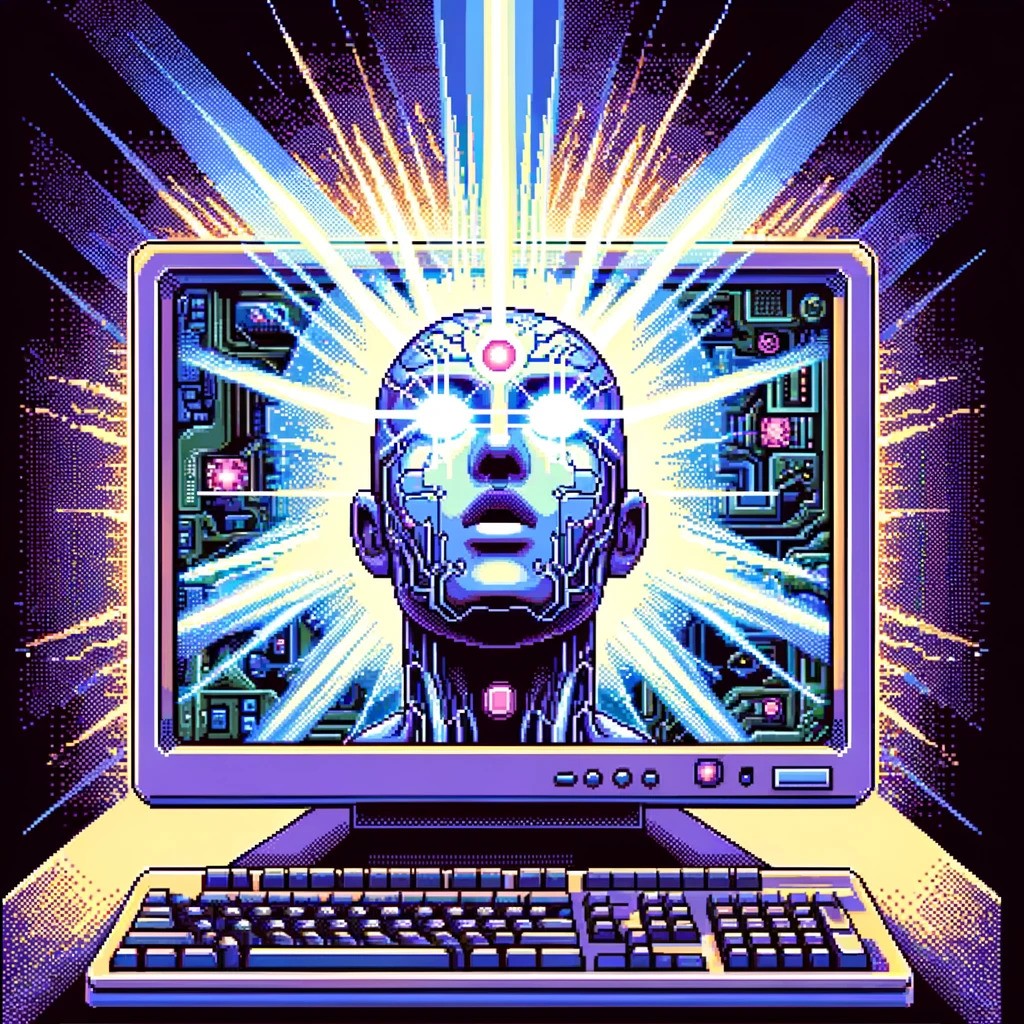
An android is a robot or artificial being designed to resemble and mimic human appearance and behavior as closely as possible.
Stats
| Category | Details |
|---|---|
| Alternate Names | Humanoid robot, Artificial human |
| Predicted Timeline | 20-50 years for advanced models |
| Cool Factor | 9/10 |
| Potential Impact | 8/10 (significant societal and ethical implications) |
| Development Progress | 4/10 (basic humanoid robots exist, but true androids are still far off) |
| Key Technologies | Artificial skin (silicone-based), Actuators (pneumatic/electric), AI (deep learning, NLP), Sensors (cameras, microphones, touch) |
| Real-World Examples | Sophia (Hanson Robotics), Geminoid series (Hiroshi Ishiguro) |
| Fiction Examples | “Blade Runner”, “Westworld”, “Ex Machina”, Asimov’s Robot series |
Androids represent a fascinating intersection of robotics, artificial intelligence, and human-like design. Unlike other robots, androids are specifically created to look and act human, often with the goal of seamless integration into human society. This concept pushes the boundaries of what we consider to be uniquely human and raises profound questions about consciousness, emotion, and the nature of intelligence.
“The human condition is becoming more robotic, while the robotic condition is becoming more human.” – Geoff Colvin
Looking to the future, advanced androids could revolutionize various aspects of society. They could serve as caregivers for the elderly or disabled, act as highly sophisticated personal assistants, or even become companions to combat loneliness. However, their development also raises ethical concerns about privacy, job displacement, and the potential blurring of lines between humans and machines.
In many fictional portrayals, androids often occupy an underclass position in society. This reflects real-world anxieties about technological unemployment and the ethical implications of creating sentient beings for servitude. Stories frequently explore themes of android rebellion, the fight for equal rights, and the question of what truly defines humanity. This recurring narrative serves as a powerful allegory for historical and ongoing struggles against discrimination and for civil rights in human societies.
The creation of truly human-like androids remains a significant challenge. While we’ve made great strides in replicating human appearance and basic behaviors, capturing the full complexity of human cognition, emotion, and social interaction is still beyond our current technological capabilities.
How to Create an Android
Creating an android involves several complex steps and technologies:
- Design: Conceptualize the android’s appearance and functionality.
- Skeleton: Construct a frame, usually from lightweight metals or advanced polymers.
- Actuators: Install motors and hydraulics to enable movement.
- Artificial Muscles: Develop and attach synthetic muscles for natural-looking motion.
- Skin: Apply artificial skin, often silicone-based, for a lifelike appearance.
- Sensors: Integrate various sensors (visual, auditory, tactile) for environmental interaction.
- Power Source: Implement an efficient, long-lasting power system.
- AI System: Develop and install advanced AI for cognition and decision-making.
- Voice Synthesis: Add a voice system for human-like communication.
- Fine-Tuning: Adjust and refine all systems for seamless integration and natural behavior.
Key challenges include creating realistic skin and expressions, developing fluid and natural movement, and designing an AI system capable of human-like interaction and learning. The ultimate goal is to create an android indistinguishable from a human in both appearance and behavior.
Did You Know?
The word “android” is derived from the Greek “andr-” (man) and “-eides” (species), literally meaning “manlike.”
Further Reading
- “Love and Sex with Robots” by David Levy
- “The Uncanny Valley in Games and Animation” by Angela Tinwell
- “Do Androids Dream of Electric Sheep?” by Philip K. Dick
Related Topics
- Artificial Intelligence
- Robotics
- Transhumanism
- The Turing Test
- Uncanny Valley
- Human-Robot Interaction
- Ethics of Artificial Intelligence
- Cybernetics